

Two halves of the same job
A website nobody finds is a brochure. Rankings pointed at a slow site are a wasted click. We do both halves, which is the only way either one pays.
Four things we will not negotiate on
These exist because we have had to clean up after the alternative more than once.
You own the code
At handover you get the repository, the hosting credentials and the deployment pipeline. No proprietary builder, no licence you have to keep renewing to keep your own website online. If you want to move on from us, you can, and nothing breaks.
One page, one job
We do not spin up forty near-identical pages with the city name swapped out. Google has an entire system for catching that and it works. We build fewer, deeper pages that each answer one question completely, which is also how a page ends up ranking for thirty related terms instead of one.
The keyword map comes first
Before the build starts you get the keyword list, the search volumes and the difficulty scores, and the page each term will be targeted from. If a page is not drawing impressions after a quarter, it gets rewritten.
Measured, not guessed
Search Console and analytics are configured before launch. Every month you see which keywords gained impressions, which pages are converting, and what changes next as a result.
Recent work
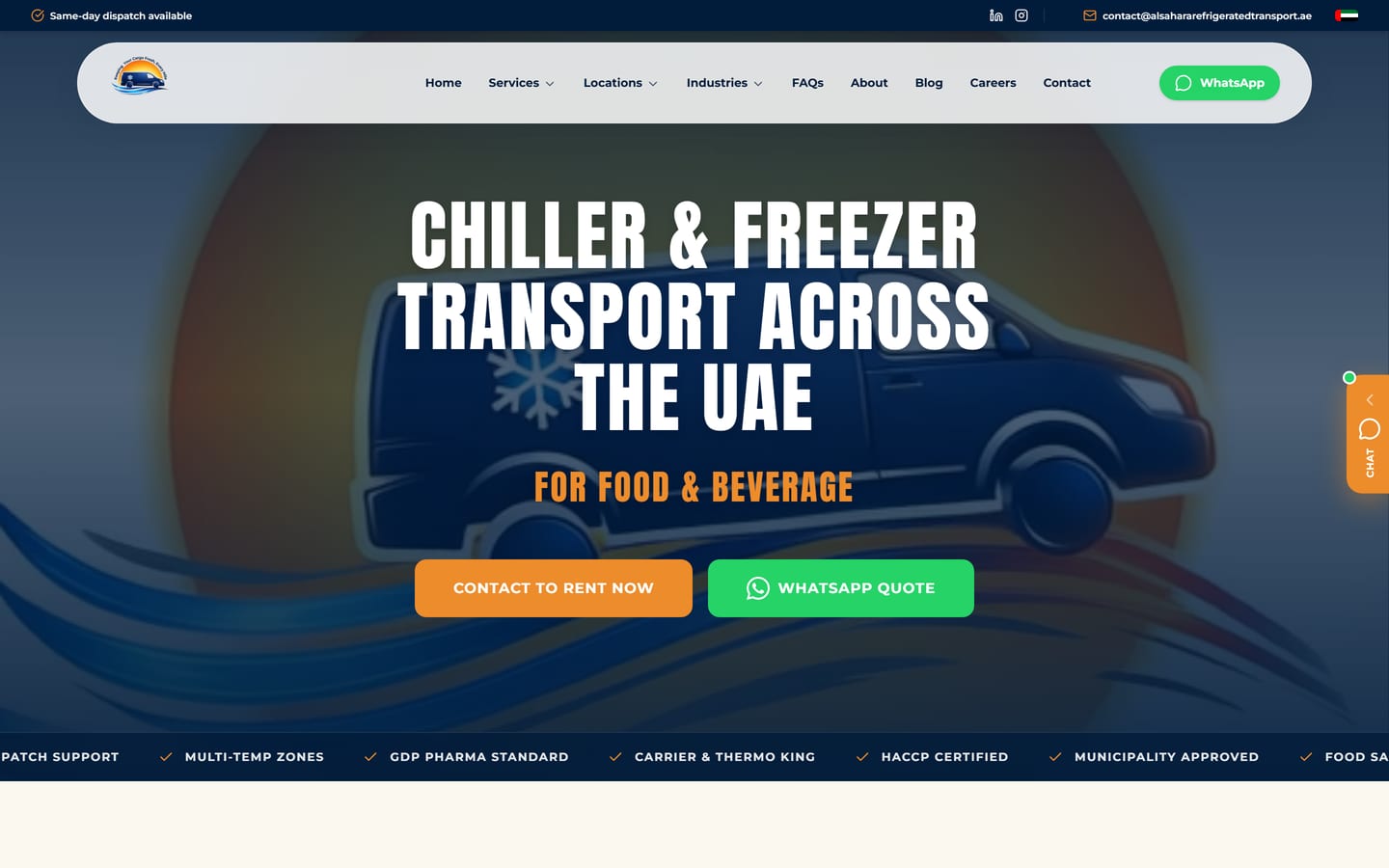
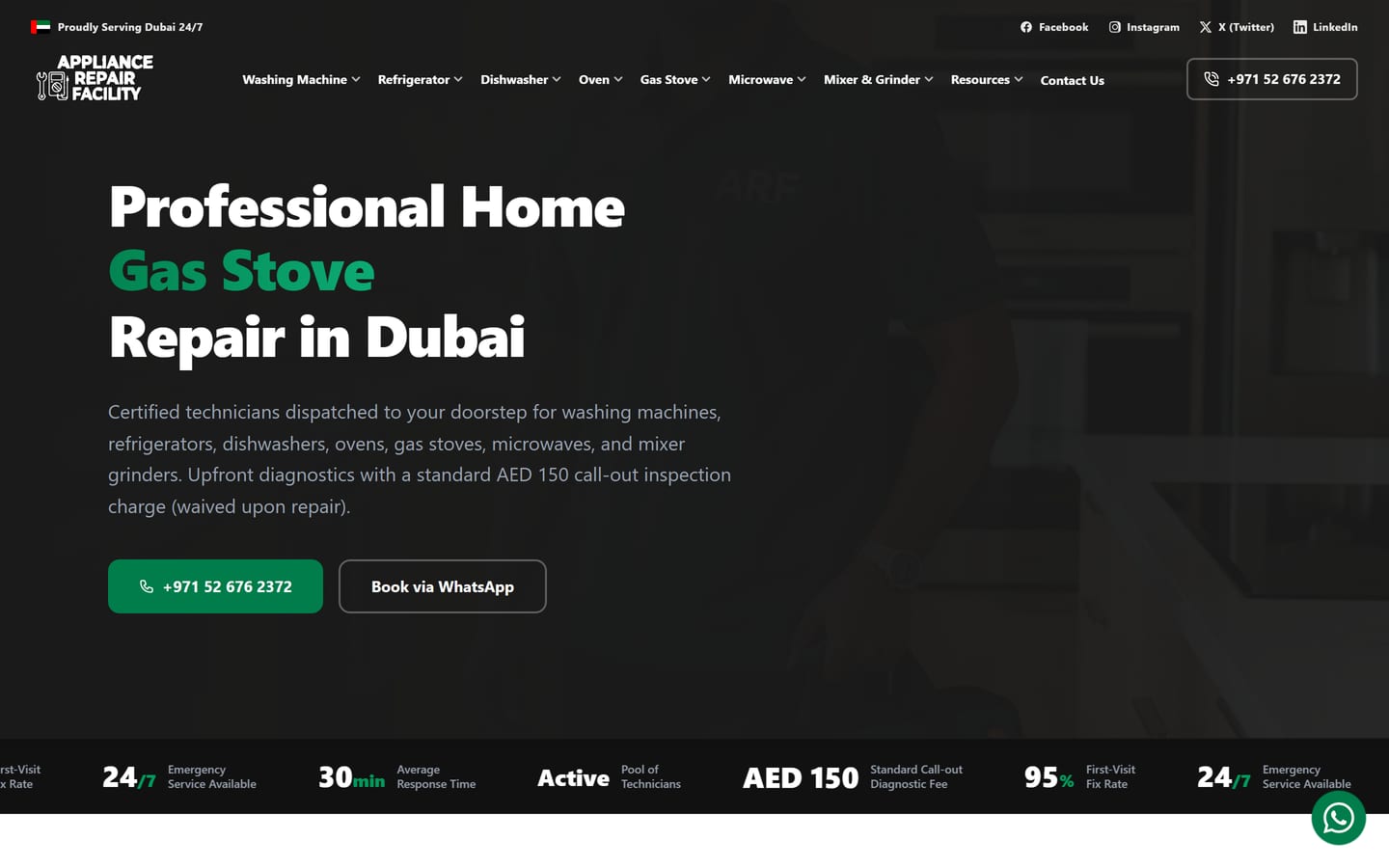
Three live sites. Open them and judge for yourself.

Search data first. Design second.
Design first, and you get a handsome site with nowhere to rank. The keyword data decides which pages deserve to exist.
We start with the search data, not the design
Before anyone opens a design tool we pull the keyword data for your market and work out which pages deserve to exist. That list decides the sitemap. It is the difference between a site that looks finished and a site that has somewhere to rank.
Design against the conversion path
Every page gets one primary action. We design the route to it and remove whatever competes with it. You see the layouts before a line of production code is written.
Build it by hand
Hand-written components, semantic markup, real schema, images that are actually the right size. The result scores well on Core Web Vitals because it was built well, not because a plugin was bolted on at the end.
Launch, then keep working
Search Console and analytics are configured before launch, not after. Then we watch what the pages actually do and expand the ones drawing impressions. A site is not finished on launch day, that is the day it starts producing data.
Three markets, three different playbooks
A Wichita contractor, a Devon plumber and a Dubai developer are not running the same business. They do not get the same website.